Unplanned equipment downtime is a major cost driver in manufacturing, with research showing it can cost companies as much as $260,000 per hour in lost productivity and repairs.
Conveyors are central to packaging plants, especially in dry bulk operations, because they move filled bags, prevent bottlenecks, and support automated workflows from weighing to palletizing. When conveyors perform reliably, the entire line runs smoother.
That’s why scheduling maintenance for conveyor systems is critical: it keeps lines running, prevents unexpected stops, and reduces costly breakdowns before they happen. Real-world plants struggle with issues like belt misalignment, motor wear, dust buildup, inconsistent flow, and premature component failure, all of which can lead to expensive downtime and lost output.
In this article, we’ll explain how to schedule maintenance for your conveyor system, along with practical tips to ensure smooth operation in any packaging plant.
Key Highlights
Conveyor downtime is one of the biggest cost drivers in packaging plants, and proper maintenance is essential to avoid unexpected shutdowns and protect overall packaging-line efficiency.
Most failures, belt misalignment, dust buildup, roller wear, and speed mismatches are preventable with structured daily, weekly, monthly, and annual maintenance schedules.
Smooth conveyor operation directly boosts filler accuracy, bag spacing, and downstream flow, ensuring stable performance across sealing, inspection, and palletizing systems.
A strong maintenance program extends equipment life, reduces safety risks, and keeps dry-bulk plants cleaner and more reliable, even in dust-heavy environments.
H&H Design Mfg conveyors are engineered for long-term reliability, using industrial-grade frames, modular belts, and integration-friendly layouts that reduce wear, simplify maintenance, and keep automated lines running consistently.
Why Conveyor Maintenance Matters in Packaging Plants
A well-maintained conveyor system is the backbone of modern automated and semi-automated packaging lines. It keeps products moving at a consistent rate, protects weighing accuracy, stabilizes material flow, and prevents bottlenecks between filling, sealing, inspection, and palletizing stations. When conveyors operate smoothly, every machine downstream performs better, improving throughput, accuracy, and overall equipment effectiveness (OEE).
Even small lapses in maintenance can quickly disrupt operations.
Reduced throughput and unplanned slowdowns: Worn rollers, loose chains, or slipping belts restrict conveyor speed, forcing fillers, sealers, and checkweighers to operate below their rated capacity.
Frequent jams and stoppages: Material bridging, belt wander, and buildup on pulleys lead to misfeeds and product jams, creating repeat stoppages across the line.
Out-of-spec weighing and filling: A conveyor that surges, shakes, or hesitates can cause fillers to dispense too early or too late, affecting target weights and triggering rework or rejects.
Higher manual labor requirements: Operators must step in more often to clear jams, realign bags, or reset sensors, slowing down automated cycles and raising labor costs.
Sensor interference and false faults: Dust buildup, vibration, or poor belt tracking can cause photoeyes, metal detectors, and checkweighers to give inaccurate signals or constant error alarms.
Premature wear on critical parts: Bearings, motors, gearboxes, cleats, and sidewalls degrade faster when not inspected, cleaned, or lubricated regularly.
In dry bulk packaging environments, these issues intensify due to:
Abrasive and heavy material loads that wear down belt surfaces and rollers more quickly.
High dust concentration that infiltrates motor housings, scales, sensors, and bearings.
Constant start–stop cycles that increase stress on drives, couplings, and take-ups.
Material spillage that accumulates under and around the conveyor, creating sanitation and safety hazards.
This is why a structured maintenance program, covering routine belt tension checks, alignment adjustments, motor temperature monitoring, roller replacement, cleaning schedules, and predictive diagnostics, is not optional. It directly determines whether your packaging line stays:
Reliable (minimizing downtime and emergency repairs)
Accurate (protecting weigh-fill performance and product quality)
Clean and safe (reducing contamination risks and OSHA issues)
Cost-efficient (extending the life of expensive packaging equipment)
A healthy conveyor isn’t just a mechanical asset; it’s the engine that keeps the entire packaging operation running at its designed speed and profitability.
How to Schedule Maintenance for Conveyor System Packaging Plants in Packaging Plants
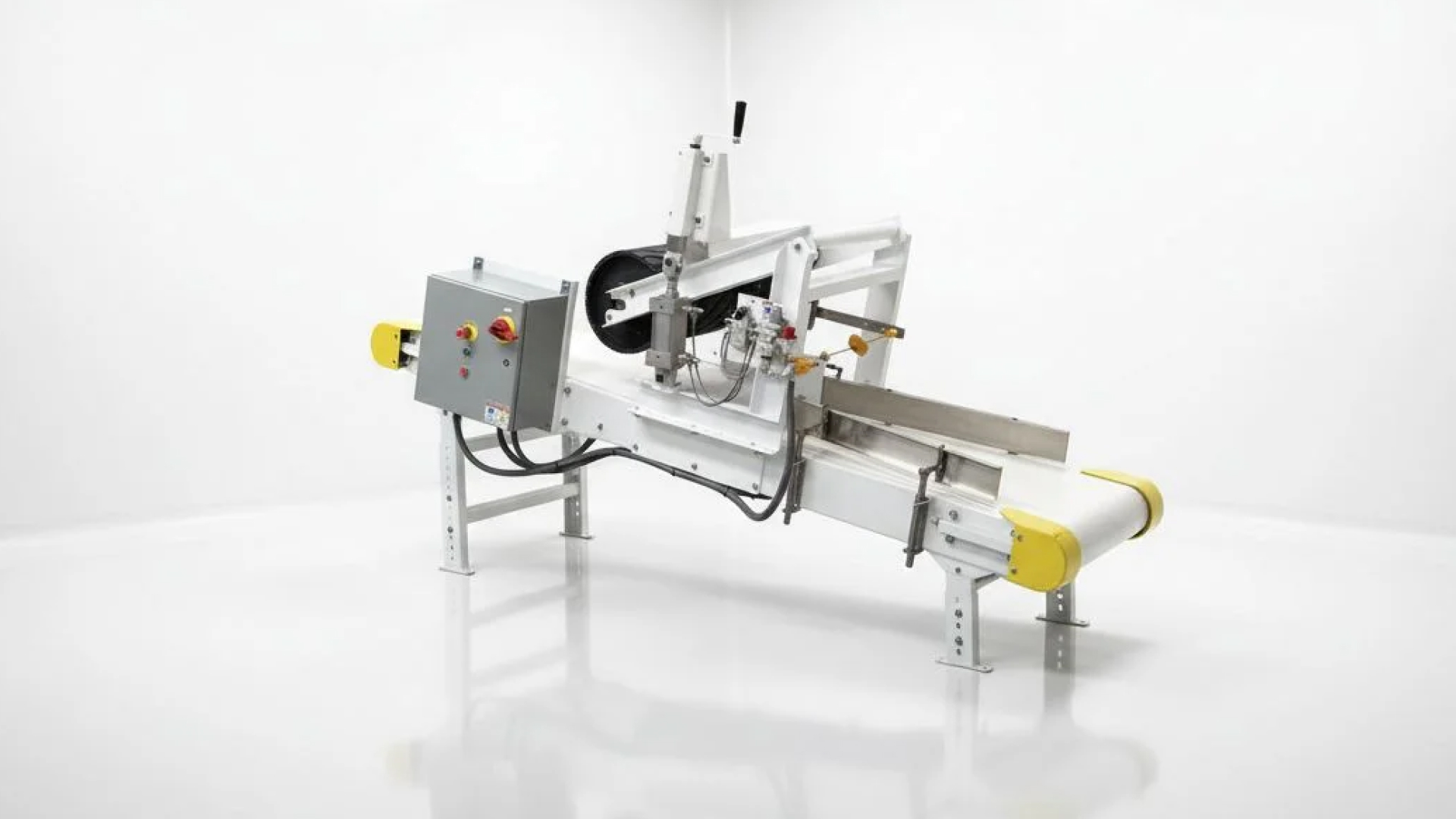
A consistent maintenance schedule keeps conveyors running smoothly, reduces downtime, and protects the accuracy of automated filling and packaging lines. Below is a practical framework you can apply to any dry-bulk or bagging operation.
A. Daily Maintenance Checks
Daily checks help catch early warning signs before they escalate into costly failures.
Inspect belt alignment and tension to ensure proper tracking and avoid side wear.
Listen for unusual noises or vibrations, which can signal bearing or roller issues.
Check for dust accumulation around rollers, motors, and sensors, especially important in powder-handling environments.
Verify that sensors and safety switches are clean, responsive, and communicating correctly.
Ensure the conveyor speed matches filler output, preventing overfeeding or starvation of downstream equipment.
B. Weekly Maintenance Tasks
Weekly maintenance focuses on deeper cleaning and early wear detection.
Clean the belt thoroughly, removing powder buildup that can cause slipping or tracking problems.
Lubricate bearings and rotating components to reduce friction and extend service life.
Inspect rollers for drag, flat spots, or uneven wear that affects belt movement.
Check belt condition, edges, and splice integrity to prevent unexpected breakage.
Test all emergency stops and control functions to ensure safe operation.
C. Monthly or Quarterly Maintenance Tasks
These checks ensure your conveyor remains aligned, calibrated, and structurally sound.
Inspect the motor, gearbox, and electrical components for heat, wear, or loose connections.
Evaluate belt tracking over full cycles, including startup, steady-state operation, and shutdown.
Check frame alignment and supports to ensure the conveyor hasn’t shifted under load.
Recalibrate conveyor speed settings to match actual filler throughput and performance.
Review wear patterns on belts and rollers, which may indicate imbalance upstream or downstream.
D. Annual Preventive Maintenance Schedule
Annual maintenance prevents major failures and extends the conveyor’s lifespan.
Replace worn belts or rollers before they impact line performance.
Conduct a full system alignment, including frame, pulleys, and belt tracking.
Update electrical settings, PLC parameters, and control software if needed.
Inspect integration points with fillers, sealers, and palletizers to maintain smooth transitions.
Review operator training on cleaning, inspection, and proper conveyor use to reduce avoidable damage.
Key Conveyor System Maintenance Tips for Smooth Operation
Proper maintenance not only prevents downtime, but it also protects product quality, supports automation accuracy, and extends the lifespan of every component in your packaging line.
1. Keep the Conveyor Clean
Cleanliness is one of the biggest factors in conveyor reliability, especially in dry bulk plants where fine powders accumulate quickly. A clean conveyor runs smoother, lasts longer, and prevents contamination.
Powders like flour, starch, pigments, fertilizer, or cement increase slippage and roller wear.
Clean belts, rollers, and pulleys regularly to avoid buildup that disrupts flow and damages components.
2. Maintain Proper Belt Tension & Tracking
Correct belt tension and tracking ensure consistent product movement and protect motors and bearings from unnecessary strain. Small adjustments can prevent big failures later.
Over-tight belts = accelerated motor and bearing wear.
Under-tight belts = slippage and inaccurate conveying.
Track belts after any major maintenance event to maintain steady movement.
3. Monitor Wear Parts Proactively
Wear parts operate continuously and carry the full weight of material movement. Replacing them proactively prevents sudden shutdowns and keeps the line efficient.
Key components: rollers, bearings, idlers, belts, pulleys.
Replace wear items before failure, not after downtime occurs.
4. Sync Conveyor Speed to Your Filling Equipment
Conveyors and fillers must operate as one system. Proper speed syncing ensures smooth product handoff and prevents backups in automated lines.
Downstream flow must match filler cycle time to avoid inconsistent bag spacing.
Sync speeds to prevent backups at Series 52, 54, 55, 61, 70 fillers or bulk bag systems.
5. Keep Spare Parts On-Site
Having critical parts on hand dramatically reduces downtime, especially in plants running continuous shifts or located far from service centers.
Recommended spares: belts, bearings, motors, and common wear components.
Keeping inventory on-site ensures fast recovery during unexpected breakdowns.
6. Train Operators Effectively
Trained operators are your first line of defense; they notice small changes long before a component fails. Investing in training directly reduces downtime.
Operators are first to spot misalignment, unusual noise, vibration, or dust changes.
Routine checks and basic troubleshooting prevent major failures and support a proactive maintenance culture.
How Conveyor Maintenance Affects Overall Packaging Line Efficiency
A conveyor is more than just a transport component; it directly influences how fast, accurate, and reliable the entire packaging line performs. When conveyors fall out of adjustment or develop wear issues, the whole system feels the impact.
Even minor belt misalignment can slow bag fill speeds, causing inconsistent product flow into fillers and reducing weighing accuracy.
Uneven conveyor flow creates bottlenecks at sealers and palletizers, forcing operators to intervene or slowing downstream automation.
Dust buildup increases safety and contamination risks, especially in dry bulk environments where powders interfere with sensors, bearings, and controls.
Poor conveyor health disrupts automation flow, leading to irregular bag spacing, improper transfers, and lost throughput.
This is why H&H Design Mfg takes a systems approach to packaging equipment. Their conveyors, fillers, controls, and layout designs are engineered to work together as one integrated line. When each component performs reliably, and maintenance keeps conveyors in top condition, plants achieve smoother flow, fewer disruptions, and higher overall packaging efficiency.
Key Operational Challenges That Undermine Conveyor Performance
Even well-designed conveyor systems can face recurring issues that compromise efficiency, reliability, and safety. Understanding these challenges is the first step toward implementing effective maintenance strategies. Common problem areas include:
Persistent belt misalignment leads to tracking deviations, increased spillage, accelerated belt wear, and inconsistent material flow, ultimately driving up maintenance intervention frequency.
Fine dust infiltration that prematurely wears down rollers, bearings, and idlers, especially in powder-dense operations where contamination is unavoidable without proper sealing and cleaning routines.
Unstable bag or material movement causing erratic flow, jamming, or backups at downstream equipment such as sealers, palletizers, and checkweighers, reducing overall line throughput.
Legacy or non-standard conveyor configurations that are difficult to service, source parts for, or integrate with modern automation, often resulting in inflated downtime and integration expenses.
Limited real-time visibility into wear components, preventing operators from detecting early signs of failure and leading to costly, unplanned shutdowns that could have been avoided with better monitoring.
How H&H Conveyors Support Smooth, Low-Maintenance Operation
Ensuring reliable conveyor performance starts with equipment engineered to minimize wear, maintain consistent flow, and integrate seamlessly with upstream and downstream packaging systems. H&H designs its conveyors to reduce common maintenance issues before they occur, helping plants maintain efficiency with fewer interruptions.
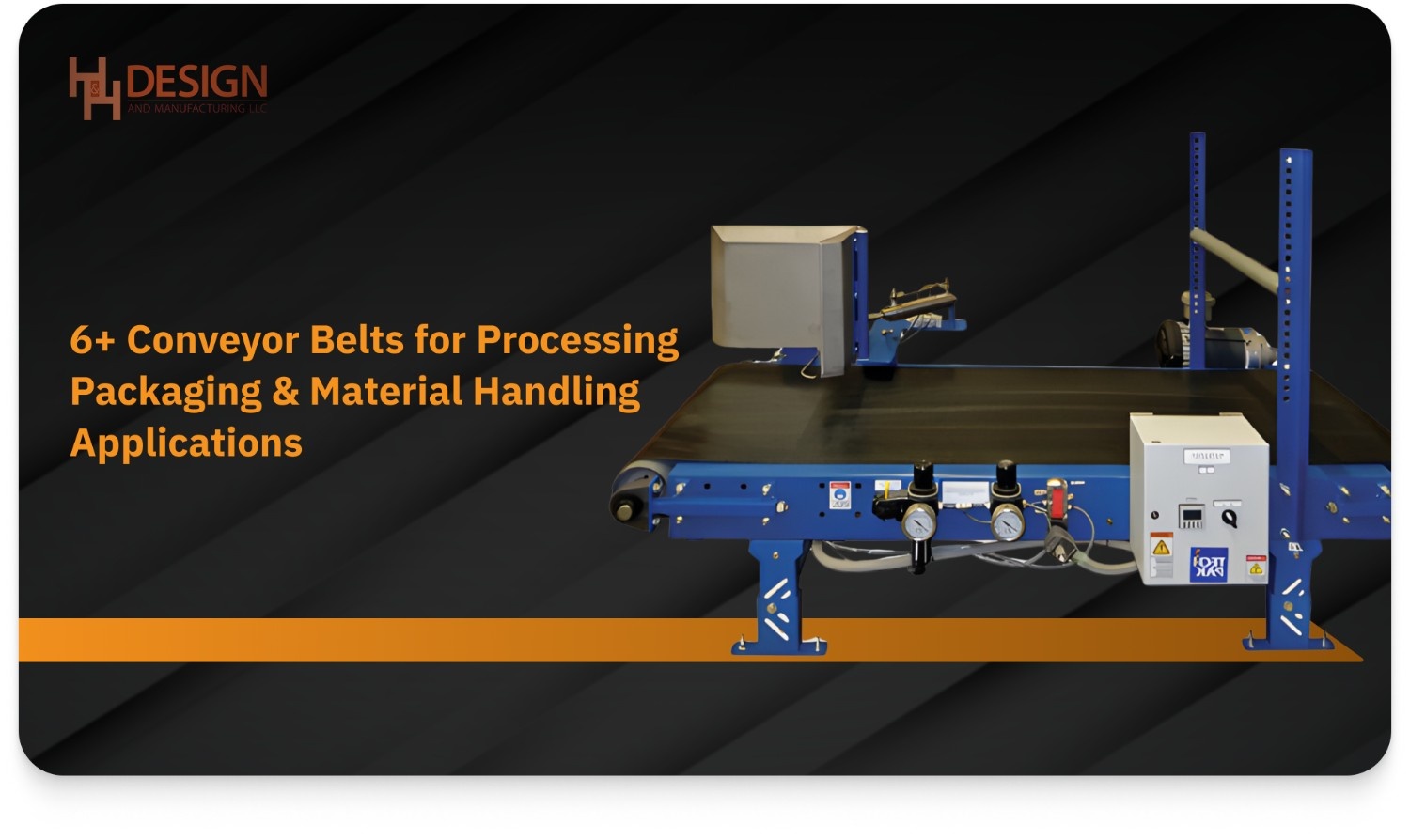
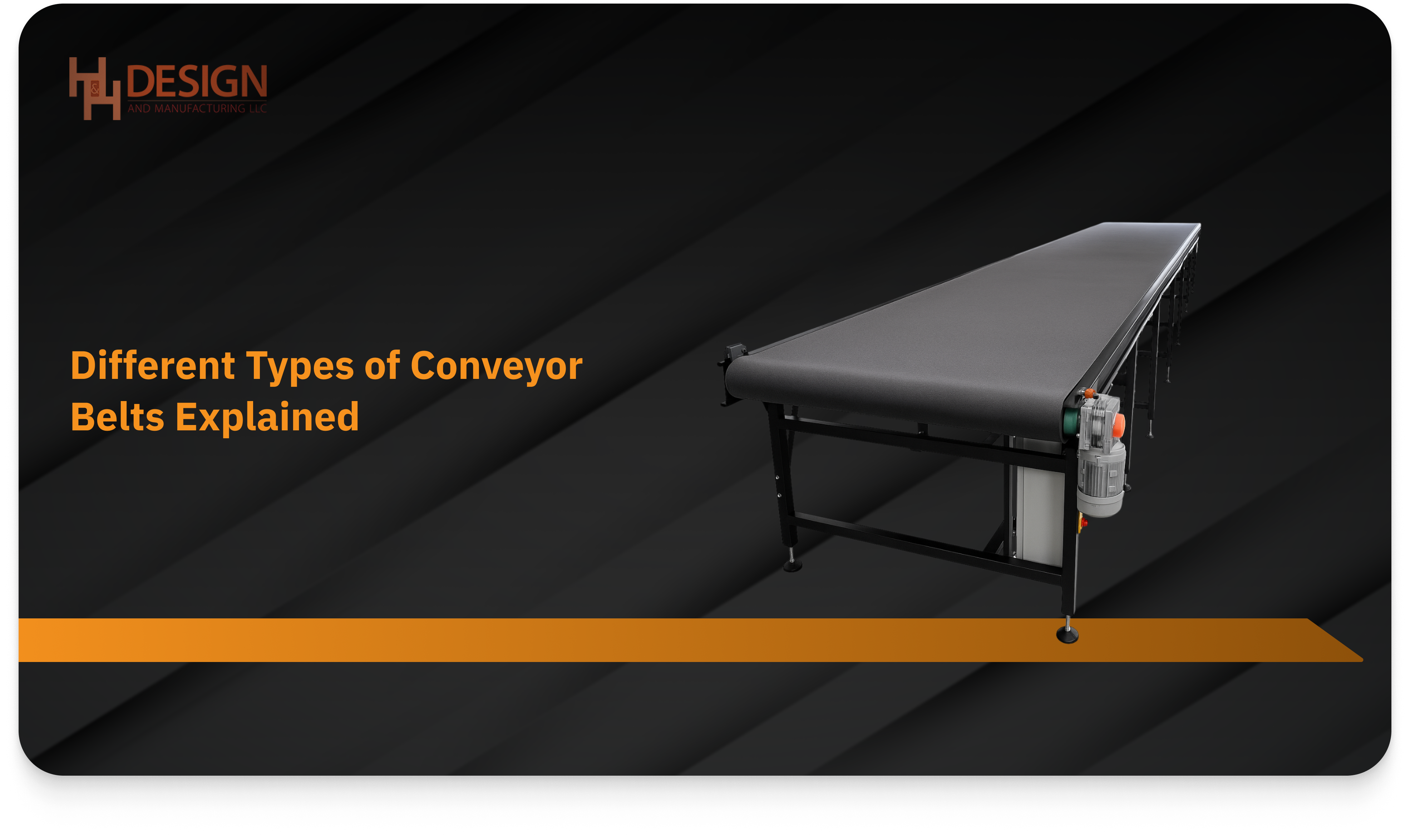
Flat-top modular belt conveyors like the Series 150 offer stable, predictable conveying for bags and cartons in food, chemical, fertilizer, and grain applications, reducing misalignment and extending belt life.
Curved, flush grid, and friction-top designs (Series 151C, 152, 153, 154, 155, 250) provide reliable flow for cooling, accumulation, incline/decline, and tight-transfer zones—areas that commonly cause stress, slippage, and premature component wear.
Heavy-duty modular belt systems such as Series 156 are built for high-load, high-throughput environments, preventing overstressing of drives and rollers during bulk material or pallet handling.
Engineered compatibility with H&H small bag fillers (Series 20, 22, 52, 54, 55, 61, 70) ensures smooth transitions between equipment, minimizing shock loads and irregular flow that typically increase maintenance frequency.
Optimized layouts and flow-controlled design principles help reduce belt stress, prevent uneven wear patterns, and support consistent performance across the entire packaging line.
H&H delivers conveyor solutions designed for long service life and easier maintenance.
Conclusion
Regular, structured conveyor maintenance is one of the most effective ways to protect uptime, extend equipment life, and keep packaging operations running smoothly. By staying ahead of belt wear, dust buildup, and alignment issues, plants can reduce downtime, maintain consistent product flow, and ensure every part of the line, from fillers to palletizers, operates at peak efficiency.
H&H’s conveyors are engineered with reliability and simplified maintenance in mind, making them ideal for food, chemical, agriculture, and industrial dry-bulk packaging plants. With rugged construction, integration-ready designs, and components built for continuous use, H&H systems help facilities maintain cleaner operation, stable flow, and long service life.
Need help choosing or maintaining conveyors for your packaging plant? Talk to an H&H engineer about your application.
FAQs
1. What are the most common conveyor maintenance tasks?
Routine tasks include cleaning belts and pulleys, checking belt tension and tracking, lubricating bearings, and inspecting rollers for wear. Plants also test sensors, safety switches, and speed settings to ensure consistent product flow.
2. How often should conveyor belts be inspected?
Belts should be inspected daily for alignment, tension, and visible wear, with deeper weekly or monthly checks depending on operating hours. High-dust or high-throughput plants may require even more frequent inspections.
3. What causes conveyor belts to slip or misalign?
Slippage is typically caused by low belt tension, buildup of powder on pulleys, or worn rollers. Misalignment results from uneven loading, improper tracking adjustments, or frame shifts over time.
4. Can conveyors be integrated with automated filling and palletizing equipment?
Yes, modern conveyors are designed to sync with fillers, sealers, checkweighers, and palletizers using sensors, PLC controls, and adjustable speed settings. H&H conveyors integrate seamlessly with automated bagging systems.
5. How does dust affect conveyor performance in dry-bulk operations?
Dust can increase belt slippage, accelerate roller and bearing wear, and interfere with sensors or motor cooling. Regular cleaning and dust-tight transitions are essential to maintain safe, reliable conveyor operation.