More than 70% of everything we use or consume involves powder or bulk solids at some point in its lifecycle, a reminder of just how foundational powder handling is across modern industry.”
Handling powders is uniquely challenging. Unlike liquids or bulk solids with more predictable behavior, powders generate dust hazards, exhibit inconsistent flow patterns, tend to segregate by particle size, and build up on equipment surfaces, creating both safety and operational headaches for manufacturers. Dust can pose serious health and explosion risks if not managed properly, and controlling flow consistency and accuracy is critical for product quality and process efficiency.
That’s why selecting the best industrial conveyors for powder handling isn’t just a matter of picking a machine; it’s essential to ensuring uptime, safety, and throughput in your operation.
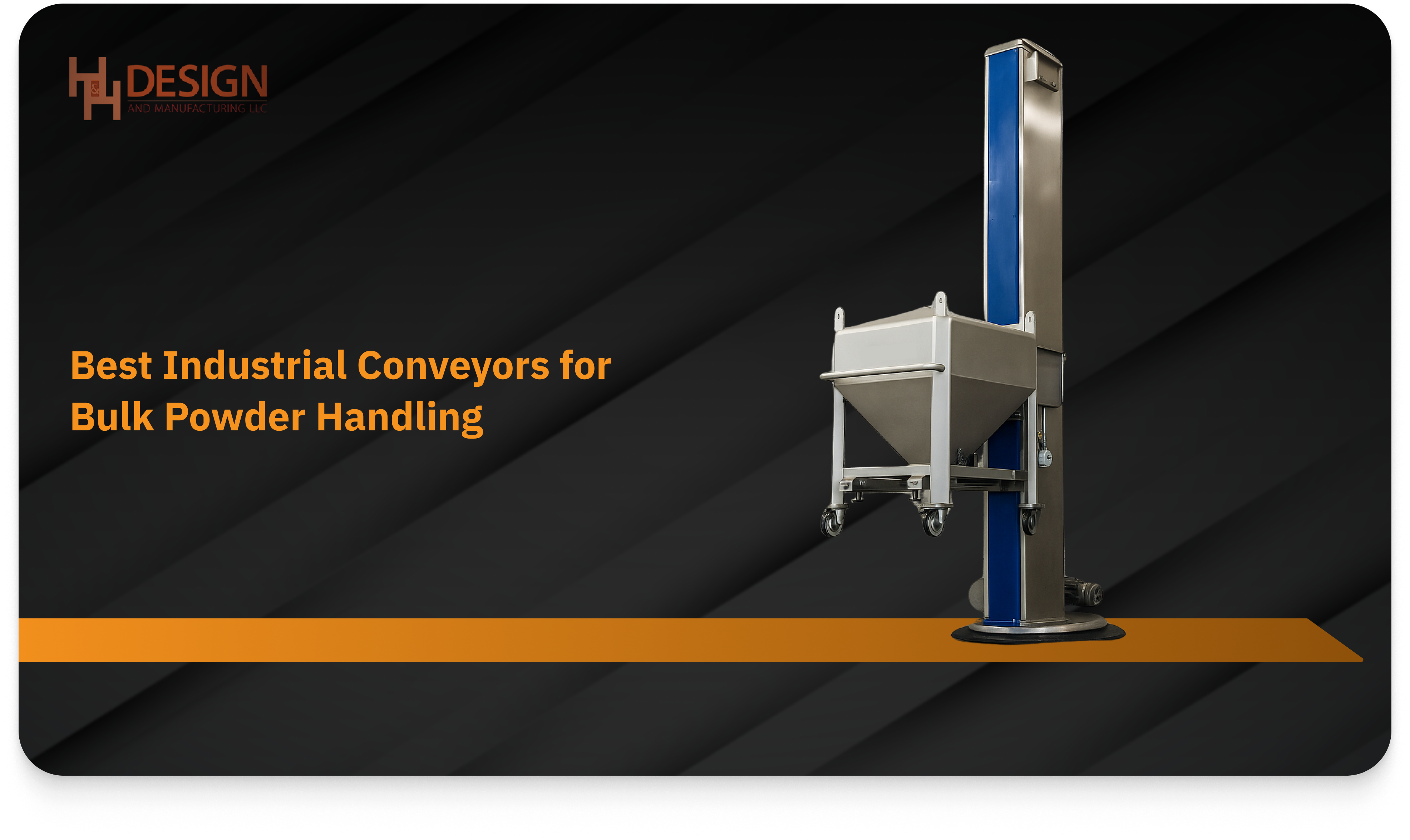
In this article, we’ll explore the best industrial conveyors for bulk powder handling and how to select the right system for your application.
Key Highlights
Powders require specialized conveyors due to dusting, aeration, bridging, and inconsistent flow. Standard systems can’t handle these behaviors reliably.
Different conveyors solve different powder challenges: flat belts for filled bags, cleated belts for inclines, troughed belts for loose material, vibratory conveyors for fragile blends, and air-assisted systems for dust control.
Choosing the right conveyor depends on powder properties and plant needs, flow behavior, throughput, sanitation, bag size, and space constraints, all drive the ideal system design.
Conveyors are the backbone of automated powder packaging lines, improving accuracy, reducing manual handling, preventing backups, and maintaining smooth flow from filler to palletizer.
H&H conveyors deliver industrial-grade reliability, offering dust-controlled transfer, stable bag handling, and seamless integration with H&H fillers, checkweighers, detectors, and palletizers.
H&H stands out as the right-sized, engineering-driven OEM for bagging automation in 2025.
Why Powder Handling Requires Specialized Conveyors
Unlike granules or pellets, powders are extremely fine and lightweight. This makes them more sensitive to air movement, vibration, and moisture. As a result, powders often flow unpredictably and require more precise control during conveying.
Common Powder-Handling Problems
Several issues make powders challenging to move through standard conveying systems:
Dusting: Fine particles easily become airborne, creating health, safety, and cleanliness concerns.
Aeration: Powders can trap air and behave like a fluid, causing surging or uneven flow.
Bridging: Material can pack together and form arches that block hoppers or conveyor inlets.
Inconsistent Flow: Variations in density, moisture, or particle size interrupt steady feeding and system accuracy.
Why Specialized Conveyors Are Needed
Because of these behaviors, conveyors must do more than simply transport material. Effective powder conveyors support:
Efficiency — consistent flow and minimal downtime
Dust Control — sealed systems to limit exposure and product loss
Safety — reduced risk of explosions, contamination, or operator harm
Accuracy — precise, repeatable feeding for batching, mixing, or packaging
Industries That Depend on Proper Powder Handling
Specialized conveying systems are essential across sectors where powders are a core ingredient:
Food: flour, sugar, starch, spices
Dairy: milk powder, whey protein
Chemicals: pigments, additives, fine powders
Agriculture: fertilizers, feed additives
Mining & Building Materials: cement, lime, minerals
Across these industries, choosing the right conveyor ensures stable throughput, cleaner operations, and safer working environments.
The Best Industrial Conveyors for Powder Handling
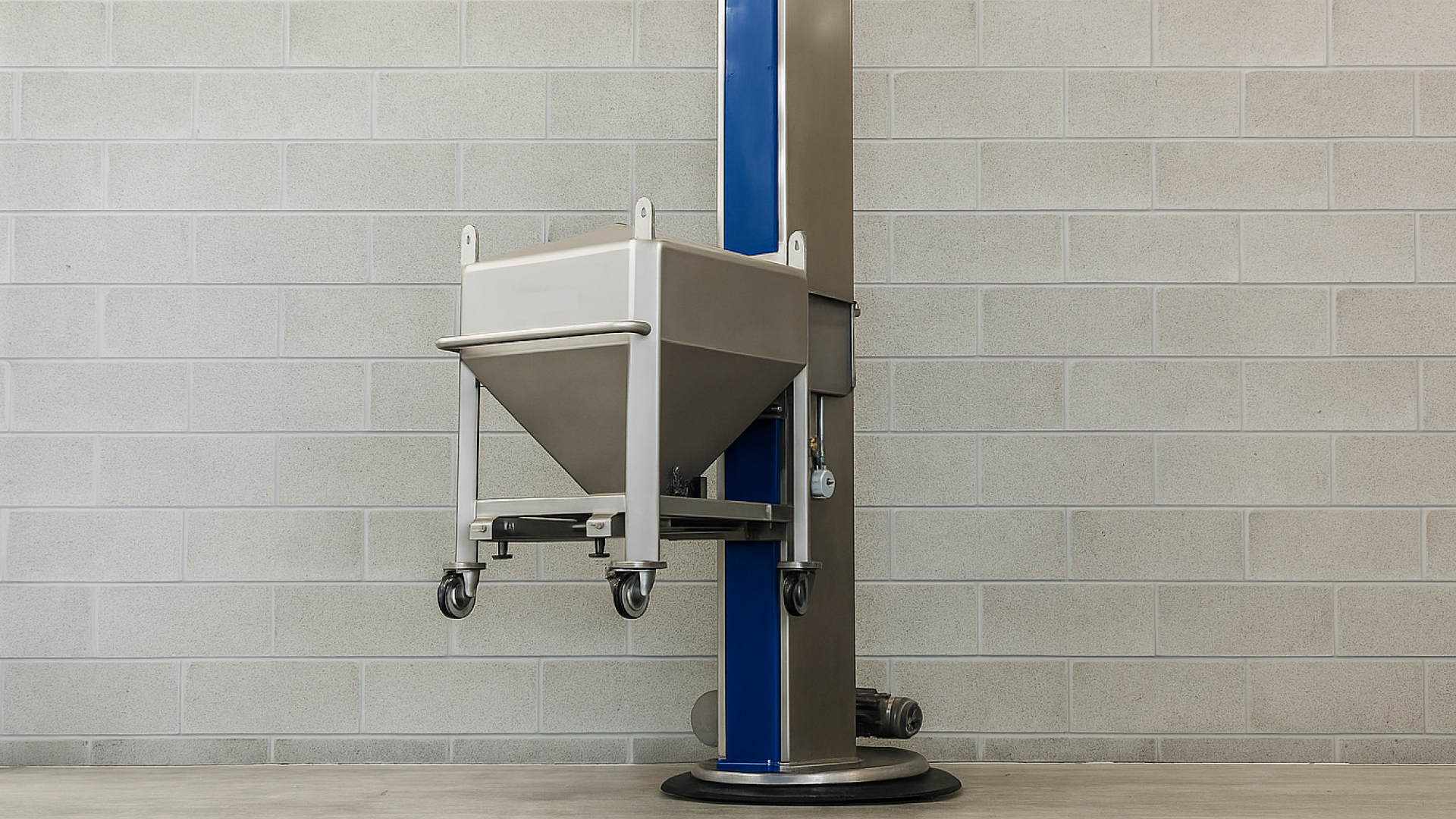
Selecting the right conveying equipment is critical when working with powders, which behave differently from granules or pellets. Each conveyor type plays a specific role in keeping the line efficient, dust-controlled, and reliable.
Below are the most effective conveyors used in modern powder-handling and packaging operations.
A. Flat Belt Conveyors
Flat belt conveyors are the most common and effective choice for transporting powder-filled bags after the filling process. Once the powder is contained inside a bag, the priority becomes smooth, consistent movement rather than dust control.
Why They Work Well:
Smooth belt surface reduces bag slippage and improves stability
Handles many packaging formats: valve bags, open-mouth bags, and boxes
Ideal for clean, controlled transfer after filling, no exposed product
Best For: Moving filled powder bags downstream of the filler
Typical Applications: Flour, starch, cement, chemical powders
Integration: Compatible with Series 52 Auger Fillers, Series 54 Dual-Auger Fillers, and Series 55 Air Packers, enabling fully synchronized and automated packaging lines.
B. Cleated Belt Conveyors
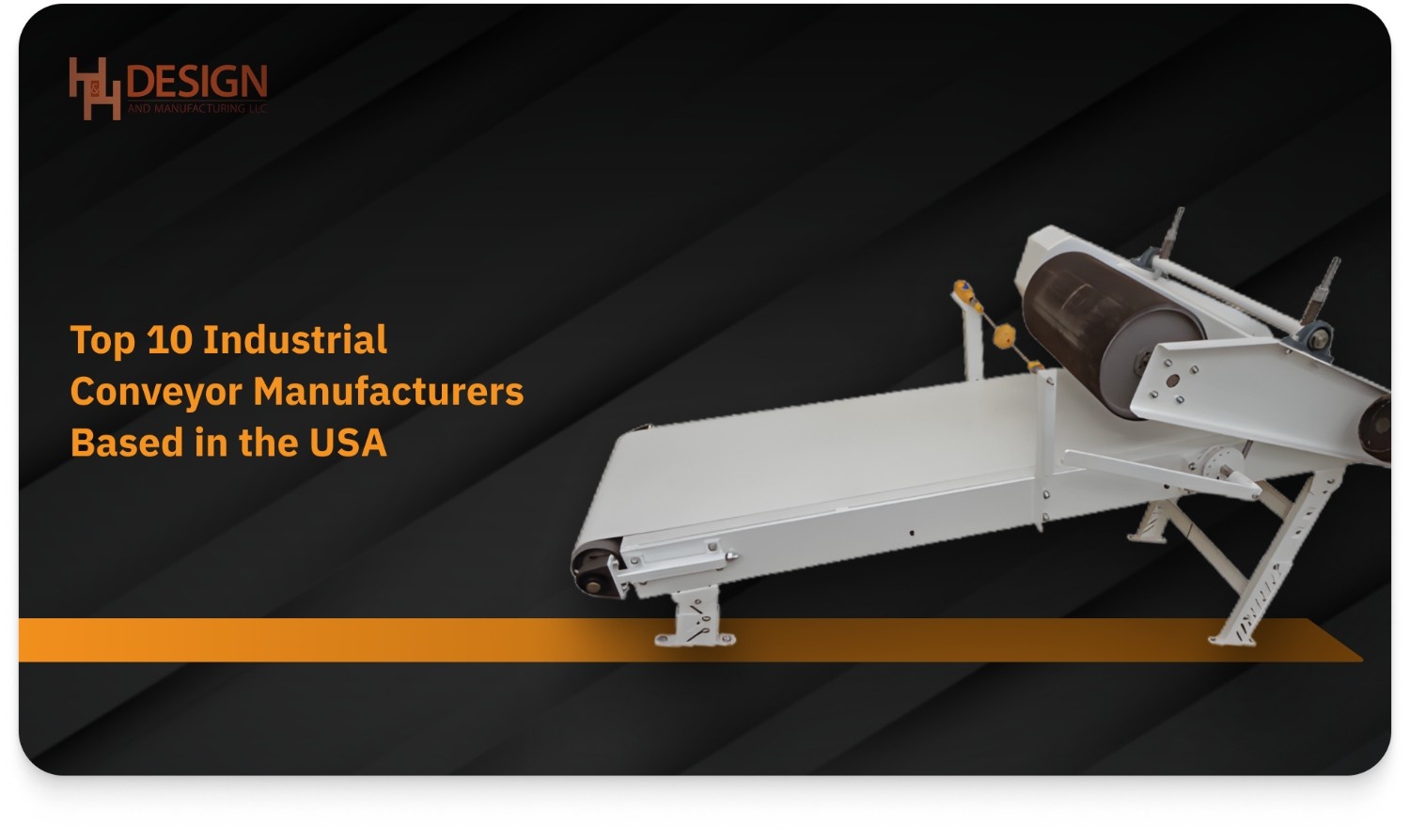
When powder bags must travel up or down a slope, cleated belts provide extra grip. This prevents bags from sliding backward, especially when handling heavier or smooth-surfaced bags.
Why They Work Well:
Cleats maintain the bag position and prevent rollback
Offers controlled, stable transport on steep angles
Ideal for tight facilities where elevation changes are necessary
Best For: Moving filled bags on inclines or declines
Applications: Compact plants, mezzanine-level transport, feeding palletizers or case packers.
C. Troughed Conveyors
Troughed belt conveyors are designed for powders that haven't been bagged yet. The belt’s raised sides form a “trough” that keeps material centered and contained.
Why They Work Well:
The trough shape prevents powder from spilling
Effective for long horizontal runs between processing equipment
Handles high volumes of free-flowing materials
Best For: Transporting loose powder before packaging
Material Fit: Sugar, flour, fertilizer, cement powder, and any dry bulk solids that move freely.
D. Vibratory Conveyors
Vibratory conveyors excel when powders need to be moved with precision, especially blends that shouldn't separate or products that aerate easily.
Why They Work Well:
Provides a consistent, controlled feed rate to downstream equipment
Gentle vibration reduces segregation of mixed powders
Minimizes dusting and disturbance compared to high-speed belts
Best For: Gentle, controlled movement of fragile or aeratable powders
Industry Examples: Food powders, nutritional blends, agricultural powders, additives, fine chemical products.
E. Air/Pressure-Assisted Conveying (Integrated With Mechanical Conveyors)
Though not a mechanical conveyor, air-assisted systems are widely used for powder transport upstream of packaging. They help automate material delivery while keeping the environment clean.
Why They Work Well:
Fully enclosed lines reduce dust, contamination, and operator exposure
Ideal for feeding mixers, weighers, and small or bulk bag fillers
Supports long-distance or multi-floor powder movement
Best For: Moving powder into fillers, hoppers, or long-distance transfer
Integration: Often positioned before bagging equipment, bulk bag unloaders, and automated filling systems.
F. Specialty Conveyors for Powder Packaging Lines
Specialty conveyors help streamline production and automate downstream tasks, improving throughput and reducing operator labor.
Examples:
Bag Turn Conveyors: Orient bags for sealing, labeling, or palletizing
Reject Conveyors: Remove improperly filled or misweighed bags
Transfer Conveyors: Bridge equipment and maintain line balance
Why They Matter: They enhance overall line efficiency, prevent bottlenecks, and ensure smooth handoff between packaging stages.
How to Choose the Right Conveyor for Powder Handling
Selecting the right conveyor requires understanding both the powder’s characteristics and the needs of your production environment. Below are the key factors that influence your decision.
1. Material Flow Characteristics:
The physical nature of your powder directly influences which conveyor will move it reliably and safely.
Powder Characteristic | What It Means | Recommended Conveyor Types |
|---|---|---|
Fine Powders | Light, dusty, prone to aeration | Enclosed belts, vibratory conveyors, pneumatic conveying |
Coarse Powders | Larger particles with predictable flow | Flat belts, troughed conveyors |
Dusty Materials | High dust dispersion may pose safety concerns | Fully enclosed pneumatic or sealed vibratory systems |
Free-Flowing Powders | Move easily with minimal resistance | Troughed conveyors, flat belts |
Fragile/Blended Powders | Risk of segregation or particle degradation | Gentle vibratory conveyors |
Dense Powders | Heavy, high bulk density requires stronger traction | Cleated belts, heavy-duty flat belts |
2. Process Requirements:
Your line speed, sanitation needs, and layout constraints play a major role in selecting the ideal conveyor.
Process Requirement | Why It Matters | Best Conveyor Options |
|---|---|---|
Throughput Speed | High-output lines need consistent, uninterrupted flow | Flat belts, cleated belts, pneumatic conveying |
Bag Size (2 oz to 50 lb) | Conveyor width, belt strength, and product stability vary by package size | Small bags → narrow belts; Large bags → reinforced, wider belts |
Sanitation Needs | Food and dairy require smooth surfaces and quick-clean features | Stainless-steel vibratory conveyors, sanitary flat belts |
Space Limitations | Limited floor space may require vertical movement or compact designs | Cleated belts, compact vibratory conveyors, pneumatic conveyors |
Operational Considerations:
Long-term efficiency depends on dust control, equipment compatibility, and ease of maintenance.
Operational Factor | What to Consider | Conveyor Fit |
|---|---|---|
Dust Control | Essential for worker safety, air quality, and compliance | Enclosed belts, pneumatic systems, sealed vibratory conveyors |
Integration With Filling Equipment | Conveyors must align with discharge heights, speeds, and bag handling flow | Flat belts, cleated belts, vibratory infeed conveyors |
Integration With Bulk Bag Filling Systems | Material must feed consistently to ensure accurate weights and full bags | Troughed conveyors, vibratory feeders, pneumatic supply systems |
Maintenance & Cleaning | Downtime and sanitation impact cost and productivity | Vibratory conveyors (few moving parts), conveyors with tool-less or quick-clean designs |
Why Conveyors Are Essential in Powder Packaging Automation?
Conveyors play a central role in automating powder packaging operations. They keep production flowing smoothly, protect workers, improve accuracy, and support fully integrated systems.
Conveyors ensure bags move at a steady, predictable pace from one step to the next. This prevents bottlenecks, keeps fillers running at full capacity, and maintains consistent output across the entire line.
Reduce manual lifting and ergonomic risk: By eliminating the need for operators to lift or move heavy-filled bags, conveyors dramatically reduce strain, repetitive motion injuries, and workplace fatigue, especially important for 25–50 lb powder bags.
Improve weighing accuracy with a steady discharge pace: A smooth, controlled transfer prevents sudden movement or vibration that can affect weighing systems. This leads to more accurate fills, fewer rejects, and tighter quality control.
Enable automated lines and full system integration: Conveyors link fillers, sealers, checkweighers, metal detectors, labelers, and palletizers into a continuous, automated workflow. This integration increases throughput, reduces labor, and supports reliable, high-volume production.
Reduce contamination and dust by minimizing handling: With fewer manual touchpoints, there is less chance for product exposure, cross-contamination, or airborne dust. This supports safer working environments and helps facilities meet regulatory and food safety standards.
Conveyors embody H&H’s commitment to reliability, practicality, and system-wide engineering. Each conveyor is designed to work seamlessly with filling and packaging equipment, ensuring long-term durability, minimal downtime, and optimized line performance.
The Hidden Obstacles Sabotaging Powder Handling Performance
Plants handling powders encounter several operational challenges that directly affect productivity, safety, and product quality.
Dust and spillage during manual movement: Powders easily escape during manual transport or poorly controlled conveyance, creating cleaning burdens and safety concerns.
Bag backups caused by uneven conveyor flow: Inconsistent belt motion leads to bottlenecks that reduce filler efficiency and disrupt downstream sealing or palletizing.
Frequent downtime from misaligned or low-quality belts: Belts that stretch, slip, or track poorly require constant adjustment, slowing production and increasing maintenance costs.
Inconsistent bag transfer to sealing or palletizing equipment: If bags do not arrive square, spaced, or aligned, automated systems struggle to perform reliably.
Space constraints requiring custom conveyor pathsMany plants have tight layouts, low ceilings, mezzanines, or fixed equipment, making standard conveyor configurations insufficient.
How H&H Design Mfg Equipment Enhances Powder-Flow and Transfer
Powder packaging environments demand conveyors that are stable, dust-controlled, and engineered for continuous industrial operation. H&H solves the real-world challenges plants face every day.
H&H Conveyor Product Capabilities:
Heavy-duty construction engineered for industrial powders and continuous operation
Tailored designs to maintain steady material flow and minimize dust escape
Smooth, consistent bag transfer to prevent backups and improve downstream reliability
Engineered compatibility with H&H dry bulk packaging systems for full-line integration
Flexible layouts to fit tight footprints or multi-level plant configurations
H&H Conveyor Product Line:
Conveyor Series | Primary Purpose | Best Use Case | Key Benefits |
|---|---|---|---|
Standard transfer conveyor | Moving filled bags toward sealing or weighing | Adjustable height, smooth transition, stable bag handling | |
V-trough conveyor | Transporting bags that need lateral stability | Prevents bag rolling or shifting on the belt | |
Incline/decline belt conveyor | Moving bags between elevation changes | Reliable slope transfer prevents sliding or rollback | |
Compression conveyor | Conditioning bags before palletizing | Creates a uniform bag shape for stable stacking | |
Heavy-duty mainline conveyor | High-speed bagging and bulk packaging | Industrial durability, handles continuous heavy loads | |
Compact transfer/bag turning conveyor | Tight layouts or equipment orientation needs | Precise bag turning, spacing, and alignment | |
Conveyor w/ weighing & reject system | Quality control checkpoints | Integrated checkweighing, metal detection, and reject capability |
H&H excels in creating system-wide integration, aligning conveyors with fillers, sealers, checkweighers, metal detectors, and palletizers for unified, predictable operation. Their flexible configurations, including incline, decline, transfers, and bag turning, help processors overcome space limitations and optimize line layout.
Conclusion
Choosing the right conveyor is one of the most important decisions in any powder packaging line. The correct system ensures powders flow consistently, reduces dust and waste, supports accurate weighing and filling, and keeps downstream equipment running smoothly. From bag stability to line speed and product integrity, your conveyor configuration plays a central role in overall efficiency and long-term operational reliability.
H&H delivers engineered conveyor systems built specifically for dry bulk powders, designed for smooth movement, dust control, and seamless integration with your packaging equipment. Looking for the best conveyor solution for your powder handling operation? Talk to an H&H engineer about your application.
FAQs
1. Which conveyor is best for handling dusty or fine powders?
Dusty or fine powders often require enclosed or controlled conveying, such as vibratory conveyors or pneumatic transfer systems. For packaged powders, smooth flat belts or V-trough conveyors help contain movement and reduce dust release around the bag.
2. Can conveyors be integrated with powder bagging lines?
Yes. H&H conveyors are designed to integrate directly with powder bagging systems. They connect smoothly to fillers, sealers, checkweighers, and palletizers to create a continuous, automated packaging line.
3. How do I prevent powder spillage on conveyors?
Use conveyors with controlled flow, proper belt alignment, and features like troughed design or bag-stabilizing guides. Consistent transitions between equipment also help reduce spillage points and maintain cleaner operation.
4. Are cleated conveyors better for incline powder handling?
Yes. Cleated conveyors prevent bags from sliding backward on slopes, making them ideal for incline or decline applications, especially in tight or multi-level plant layouts.
5. What conveyor is best for stabilizing powder-filled bags?
V-trough conveyors (Series 152) provide lateral stability, keeping bags centered and preventing rolling or shifting as they move down the line.