“The global industrial automation market is estimated at about $256 billion in 2025, and is forecast to more than double by 2034, reflecting rapid adoption of automated solutions across manufacturing sectors.” Precedence Research
Choosing the best bagging machines for manufacturing operations in 2026 matters because today’s manufacturers are under pressure to maximize uptime, maintain high accuracy, and optimize limited labor resources. With labor shortages persisting in many regions and the cost of mistakes or downtime rising, selecting efficient, flexible bagging equipment can be a core competitive advantage.
Key Challenges Manufacturing Teams Face
Dust control– Poorly controlled packaging environments raise contamination risks and increase maintenance needs.
Throughput demands– High output rates are required to meet customer expectations and fill supply chain schedules without slowing down production.
Accuracy requirements– Precise weighing and bagging are essential to reduce waste, ensure product consistency, and maintain compliance with quality standards.
Frequent product changeovers– Mixed production schedules demand machines that can switch configurations quickly, without significant downtime or manual intervention.
Need for reliable, configurable equipment– Manufacturers need bagging solutions that are rugged, easily customizable, and ready to integrate with broader automation systems to future-proof their operations.
In this article, we’ll break down the best bagging machines for manufacturing operations in 2026 and how to choose the right equipment for your application.
Key Highlights
Manufacturers in 2026 need bagging machines that maximize uptime, accuracy, and labor efficiency, especially with growing automation demands and persistent labor shortages.
Material behavior drives machine choice. Fine powders, aeratable products, granules, fragile items, and bulk materials each require a different filling technology for clean, precise, and reliable operation.
Top-tier bagging machines now emphasize dust control, accuracy, quick changeovers, and automation readiness, ensuring cleaner workplaces, lower maintenance, and scalable throughput.
Different bagging technologies, auger fillers, gravity fillers, valve bag fillers, vibratory systems, net weigh fillers, and bulk bag fillers each excel in specific applications, helping manufacturers improve output and reduce waste.
H&H Design Mfg leads with configurable, industrial-grade systems tailored to material type and bag format, offering dust-tight designs, accurate weighing, rugged construction, and seamless conveyor integration for modern automated lines.
What Defines a “Top” Bagging Machine in 2025?
Before comparing specific models, it helps to be clear on what actually makes a bagging machine “top tier” today. In 2025, the best bagging machines are the ones that consistently deliver accurate fills, keep lines running, and are flexible enough to grow with your operation.
Here are the key criteria, in plain language:
Accuracy
For bulk bags, you’re looking for fill accuracy around +/– 1 lb, so you’re not giving away product or shorting customers. For small bags, high-precision weigh scales and controls ensure every bag is on target, batch after batch.Throughput (Bags per Minute)
A good bagger must keep up with production targets. Whether you need 10 or 40+ bags per minute, the right machine should hit that rate without constant adjustment or stoppages.Reliability & Mechanical Simplicity
Fewer moving parts generally mean less downtime and fewer breakdowns. Top bagging machines are designed to run day in and day out with minimal fuss, using proven mechanical designs and robust components.Dust Control Features
For powders and fine materials, dust is a real issue. Leading machines include features like dust-tight spouts, integrated dust collection ports, and proper sealing to keep the work area cleaner and protect both product quality and operator health.Material Compatibility (Powders, Granules, Pellets)
Not all products flow the same. The best baggers are engineered or configurable to handle powders, granules, and pellets, with options like different filling spouts, flow aids, and agitation to keep product moving smoothly.Maintenance & Cleanability
For food, dairy, and other hygiene-sensitive products, quick and easy cleaning is critical. Top machines offer tool-less access, smooth surfaces, and quick-clean designs so teams can wash down or swap formats without hours of teardown.Integration with Upstream/Downstream Equipment
A modern bagging line is more than just the bagger. The best machines integrate cleanly with conveyors, sealers, checkweighers, metal detectors, and palletizers, using common controls and communication protocols to keep the whole line synchronized.Scalability for Future Automation
As your plant grows more automated, you don’t want to replace your bagger. Leading machines are built to scale with your automation roadmap, ready for advanced controls, data collection, remote monitoring, and robotic handling when you are.
This framework sets the stage for comparing specific bagging machines: the “best” option is the one that hits these criteria for products, line speeds, cleanliness requirements, and long-term automation plans.
Best Bagging Machines for Manufacturing Operations in 2026
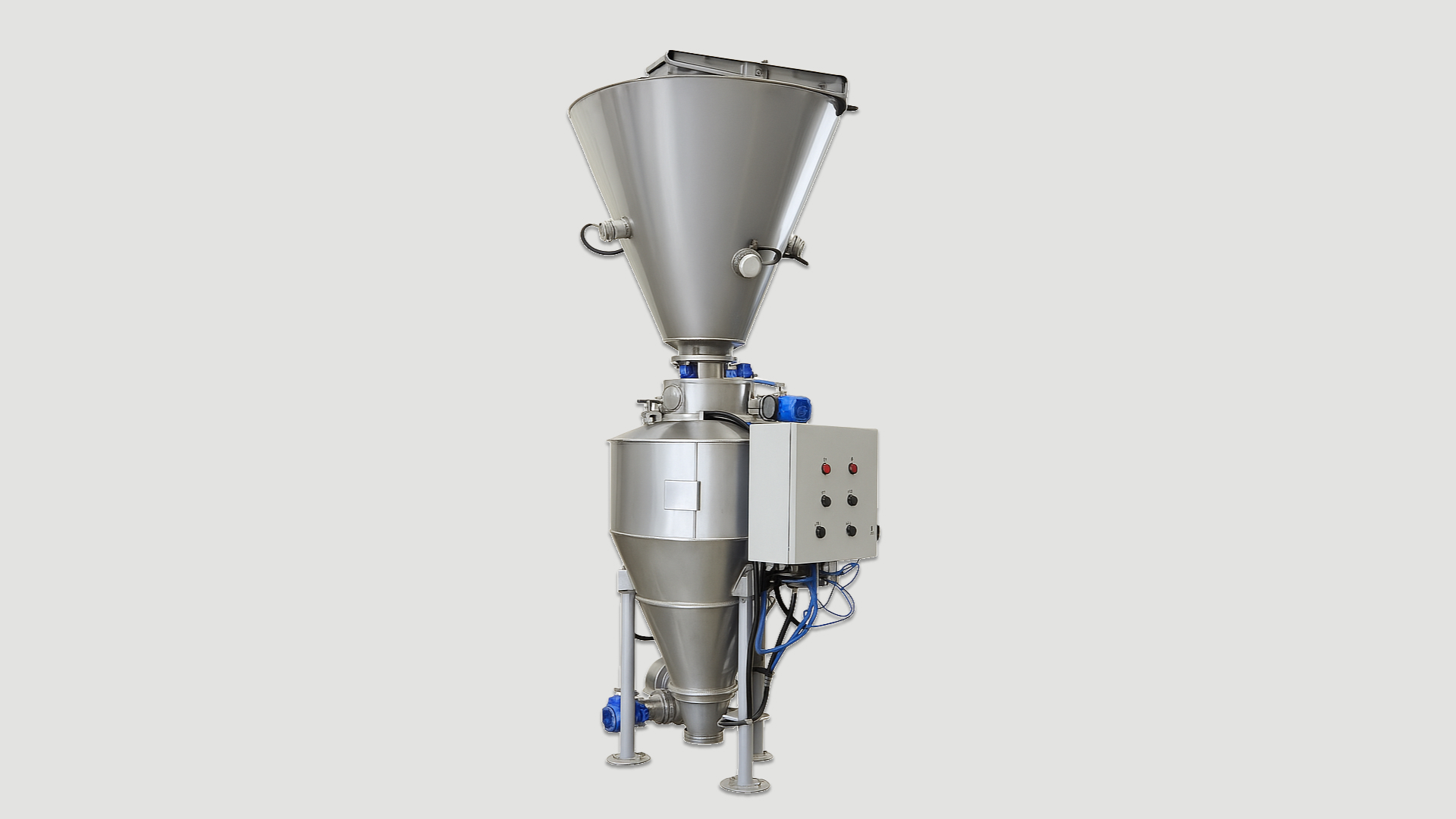
Choosing the right bagging machine can dramatically improve speed, accuracy, and labor efficiency across modern manufacturing lines.
A. Best for Fine Powders: Auger Fillers
Auger fillers remain the top choice for fine, dusty powders in 2025 because they provide unmatched control over feed rate and accuracy. Their enclosed design minimizes dust escape, while the auger mechanism ensures consistent product flow, even with materials that tend to bridge, compact, or aerate.
Why they're top performers:
Excellent precision for powders such as flour, starch, pigments, cement, and dairy ingredients.
Strong dust-control performance for cleaner operation
Smooth, controlled filling using auger-driven product feed.
Options for fast cycle times and fine-tuning accuracy.
Quick-clean variants ideal for food or color-sensitive applications.
Best applications:
Food ingredients, chemicals, minerals, fine industrial powders
B. Best for Free-Flowing Materials: Gravity Bag Fillers
For materials that flow easily, that's grains, sugar, salt, pellets, gravity fillers provide the simplest and most dependable solution. With minimal moving parts, they offer reliable throughput and low maintenance.
Why they excel:
Simple, cost-effective design with minimal wear components
Ideal for products that naturally flow into the bag without mechanical force
Accurate mechanical or electronic weighing options
Low operating costs and high reliability for everyday production
Best for:
Plants seeking dependable, entry-to-mid-level automation for granular or free-flowing products.
C. Best for Valve Bags: Air Packers & Valve Bag Fillers
Valve bag systems are essential for dusty, aeratable, or fine powders that require clean, enclosed filling. Air packers use pneumatic force to achieve fast fills, while auger-fed valve systems deliver controlled, dense, dust-free loading.
Why they’re essential in 2025:
Designed for dust-tight filling of powders with high fines content
Excellent for aeratable materials that respond well to air-packed density
Adjustable air pressure supports faster filling and improved bag consistency
Ideal for operations where cleanliness, speed, and powder containment matter
Industries:
Mining, chemicals, construction materials, cement, minerals
D. Best for Fragile or Irregular Materials: Vibratory Fillers
When handling delicate or irregularly shaped materials, vibratory systems offer the gentlest filling method. Their controlled vibration minimizes product breakage and ensures highly accurate fills.
Why they stand out:
Gentle motion prevents damage to fragile items
Enhanced accuracy for irregular or uneven-flow products
Suitable for dusty materials requiring more controlled flow paths
Excellent for seeds, pellets, snacks, and specialty blends
E. Best High-Accuracy System: Net Weigh Fillers
Net weigh technology delivers top-tier precision and speed. By weighing the product before it enters the bag, these systems provide consistent accuracy across a wide range of applications.
Why they're top-tier in 2026:
High-speed weighing cycles for maximum throughput
Excellent accuracy for food, chemical, and specialty markets
Supports recipe-based production and fast product changeovers
Easily integrates with conveyors, sealers, and automated bag clamps
Best for plants that:
Demand repeatable accuracy
Run multiple products with varying densities
Need faster cycle times with minimal operator intervention
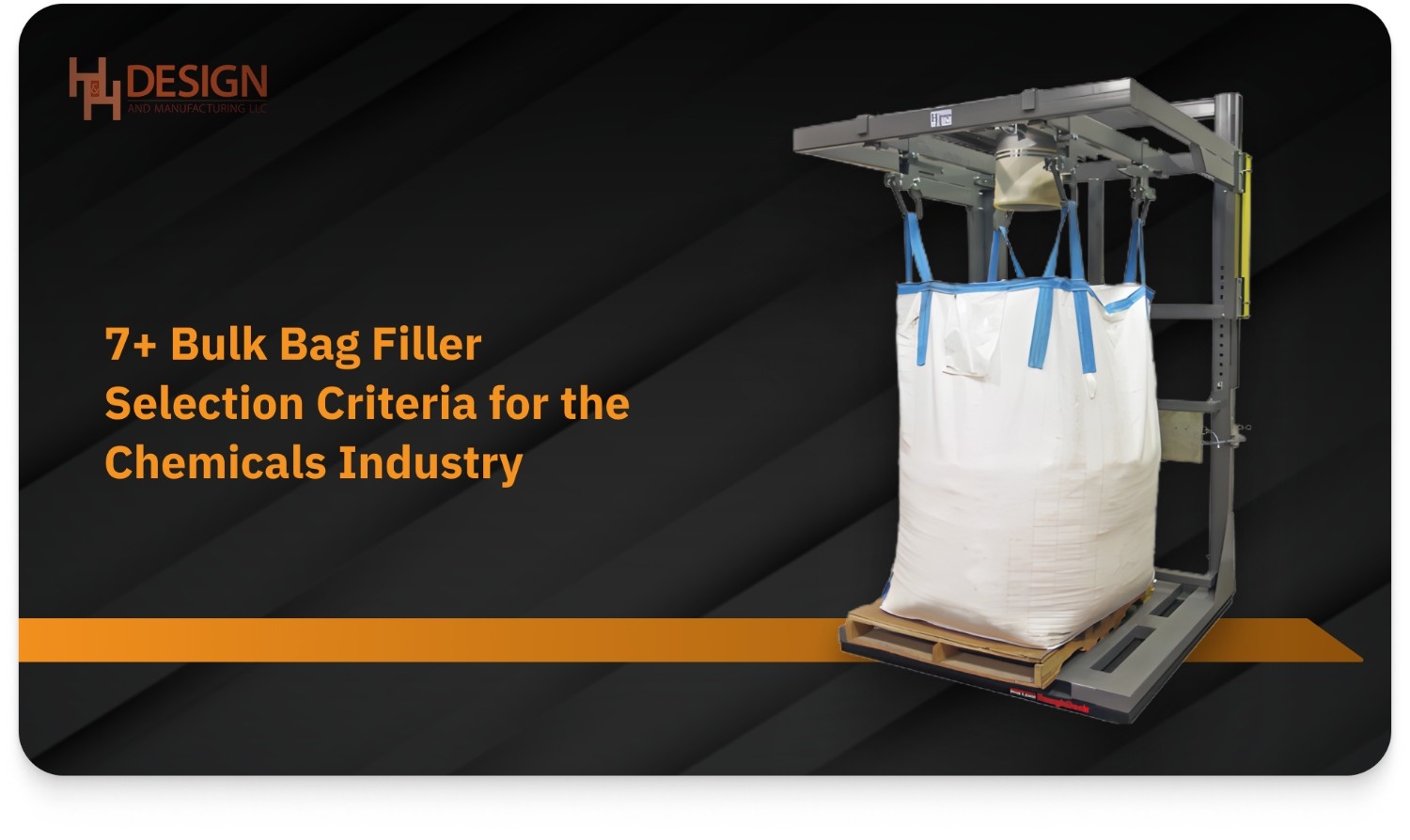
F. Best for Large-Volume Packaging: Bulk Bag Fillers
Bulk bag fillers serve operations that move high volumes of material into 1,000–4,400 lb super sacks. Built for industrial duty, they deliver durable performance and scalability for growing production lines.
Why they’re industry leaders:
Capable of filling large-format bags with excellent weighing accuracy
Designed for rugged, continuous industrial use
Offer options for densification, dust-tight connections, and automation
Ideal for high-throughput environments across multiple industries
Best for: Food ingredients, pigments, chemicals, minerals, resins, feed, additives
Comparison: Which Bagging Machine Fits Your Application?
Choosing the right bagging machine starts with understanding your material characteristics, accuracy requirements, and throughput goals.
Here’s a simple decision-making guide to help manufacturers quickly identify the best type of system for their operation.
If You’re Packaging Fine Powders
Recommended Machine: Auger Filler
Fine powders like flour, cement, starch, and pigments need controlled feeding and strong dust containment. Auger systems maintain consistent flow and accuracy, even with materials that tend to aerate or compact.
Why it's best:
Excellent dust control
Smooth, controlled product flow
High accuracy for lightweight powders
Great for food, chemical, and mineral operations.
If You’re Handling Aeratable or High-Fines Powders
Recommended Machine: Air Packer
Aeratable powders fill fastest when air is used to expand and densify the material inside the bag. Air packers deliver speed, enclosed filling, and density consistency.
Why it's best:
Fast fill rates
Clean, dust-tight operation
Works extremely well with cement, lime, and fly ash.
If You’re Filling Free-Flowing Materials
Recommended Machine: Gravity Filler
Grains, sugar, rice, pellets, and other freely flowing materials move efficiently under gravity alone, making gravity fillers simple, reliable, and economical.
Why it's best:
Minimal moving parts
Lower maintenance cost
Ideal for mid-speed production lines.
If You’re Bagging Fragile, Irregular, or Breakable Products
Recommended Machine: Vibratory Filler
Seeds, snacks, pellets, and specialty blends need gentle handling to avoid damage. Vibratory filling systems control the flow rate without applying mechanical force.
Why it's best:
Gentle motion protects product integrity
Excellent for irregular shapes
Reduces waste from breakage.
If Accuracy Is Your Highest Priority
Recommended Machine: Net Weigh Filler
Net weigh systems measure product before dispensing it into the bag, delivering top-tier accuracy and fast cycle times. Ideal for multi-product plants needing consistency.
Why it's best:
Best-in-class precision
High-speed performance
Recipe-based operation for quick changeovers.
If You Need to Fill Large Bulk Bags (1,000–4,400 lb)
Recommended Machine: Bulk Bag Filler
Bulk systems support super sacks and totes used for industrial ingredients, minerals, chemicals, and resins. They offer rugged construction and optional automation.
Why it's best:
Handles very large package sizes
High structural durability
Optional densification, dust control, and automated discharge
Material Type | Recommended Machine | H&H Series Examples |
|---|---|---|
Fine powders | Auger filler | |
Aeratable powders | Air packer | |
Free-flowing materials | Gravity filler | 20, 22 |
Fragile materials | Vibratory filler | 61, 61S |
High-accuracy needs | Net weight filler | 70 |
Bulk packaging | Bulk bag fillers |
Key Features to Look for in 2026 Bagging Machines
In 2026, top-performing equipment must deliver a balance of speed, accuracy, cleanability, and integration capability, while supporting a wide range of material types and bag formats.
Below are the essential features manufacturers should prioritize when selecting new bagging technology.
1. Advanced Dust Control & Sealing
Fine powders and high-fines materials require strong dust containment to maintain operator safety, protect product integrity, and support regulatory compliance. Dust-tight filling heads, enclosed product paths, and efficient airflow or mechanical sealing systems are critical in preventing mess, minimizing cleanup, and improving overall environmental control.
2. Automation Readiness
Modern plants rely heavily on automation to boost throughput, reduce labor costs, and minimize errors. Bagging machines should be designed for seamless integration with conveyors, sealers, printers, robotics, and supervisory control systems. Automation readiness ensures the equipment can scale with future production needs without requiring a complete system overhaul.
3. High-Speed Performance with Consistent Accuracy
Speed is important, but not at the expense of accuracy. The best 2026 bagging solutions combine rapid fill cycles with tight weight control, reducing product giveaway and ensuring consistent bag quality. Controlled product feed mechanisms, responsive weighing technology, and optimized filling sequences help maintain precision even at higher line speeds.
4. Cleanability for Hygienic and Color-Sensitive Applications
Food, dairy, nutraceuticals, and specialty powders often require frequent changeovers. Fast, tool-less cleanability reduces downtime and prevents cross-contamination. Smooth surfaces, easy-access components, and quick-disconnect product contact parts are now standard expectations in industries with strict hygiene requirements.
5. Integrated Conveyor Compatibility
A bagging line is only as efficient as its material flow. Compatibility with infeed and takeaway conveyors ensures smooth transitions between filling, sealing, labeling, and palletizing. Machines with integrated conveyor interfaces reduce manual handling, improve ergonomics, and support a continuous, high-efficiency packaging workflow.
6. Reliable and Stable Weighing Systems
Weighing accuracy directly affects production cost and customer satisfaction. In 2026, reliable scale systems must maintain stability during long production runs, resist vibration, and respond quickly to changes in product flow. Both net weigh and gross weigh configurations should offer intuitive calibration, digital control, and durable load cell protection.
7. Flexibility Across Bag Types
Manufacturers increasingly package multiple product lines in varying bag formats. Versatile machines capable of handling open-mouth, valve, and bulk bags reduce the need for dedicated equipment and enable faster response to market shifts. Adjustable spouts, modular components, and multi-format compatibility deliver maximum adaptability.
How H&H Design Mfg Delivers the Best Bagging Machines for 2026
Manufacturers are navigating labor shortages, higher throughput demands, stricter dust-control standards, and frequent changeovers that challenge uptime and accuracy. H&H addresses these issues with configurable bagging systems built for diverse materials, bag formats, and production needs.
Their reliable mechanical designs ensure precise filling from small bags to bulk sacks, while quick-clean and automation-ready features minimize downtime. From concept to installation, H&H delivers engineering-driven solutions tailored to each operation.
Category / Application | Relevant Series | Product Feed Method | Ideal Materials | Key Performance Strengths |
|---|---|---|---|---|
Fine Powders (Auger Fillers) | 52 OM, 52 Valve, 52 QC, 54 | Single or dual auger | Flour, starch, cement, pigments, dairy powders | Excellent dust control; consistent auger flow; QC version enables tool-less cleaning; dual-auger system boosts speed + accuracy |
Free-Flowing Materials (Gravity Fillers) | 5A, 20, 22 | Gravity or belt feed | Sugar, salt, rice, fertilizer, plastic pellets | Simple, reliable designs; mechanical or electronic weighing; low maintenance; ideal for cost-effective throughput |
Valve Bag Filling (Air & Auger Packers) | 55, 52 Valve | Air pressure or auger | Cement, lime, minerals, fly ash, pigments | Dust-tight enclosed filling; adjustable air pressure; ideal for aeratable powders and high-fines materials |
Fragile or Irregular Materials (Vibratory Fillers) | 61, 61S | Vibratory pan or tube | Seeds, pellets, snacks, dusty powders | Gentle motion reduces breakage; tube option minimizes dust and improves flow control |
High-Accuracy Weighing (Net Weigh Systems) | 70 | Gravity, belt, or vibratory | Food, chemicals, feed | High-speed net weigh precision; recipe-based operation; seamless automation integration |
35, 40, 110DS, 200X, 330E, 2000 | Gravity, auger, or densification systems | 100–4,400 lb super sacks of ingredients, chemicals, minerals, resins | Rugged industrial frames; excellent weighing accuracy; automation and dust-control options; built for high-capacity operations |
Industrial-grade construction built for high-throughput environments
Configurable feeding systems, including gravity, auger, vibratory, and belt options
Dust-tight filling designs are ideal for fine powders and high-fines materials
Accurate electronic weighing systems for consistent bag weights
Seamless conveyor and line integration for automated workflows
Customizable configurations for bag type, spout height, controls, and layout
H&H stands out as the right-sized, engineering-focused OEM for bagging automation in 2026.
Conclusion
Selecting the right bagging machine is essential for improving throughput, maintaining accuracy, and reducing the labor burden on modern production lines. With materials becoming more complex and automation demands increasing, the equipment you choose has a direct impact on efficiency, product quality, and long-term operating costs.
H&H Design Mfg offers a complete portfolio of bagging solutions for food ingredients, chemicals, agriculture, mining, and other dry bulk industries. From fine powders to large-format bulk bags, their systems provide the durability, accuracy, and configurability manufacturers need to keep operations running at peak performance.
Looking for the best bagging machines for manufacturing operations in 2026?
Talk to an H&H engineer about your application.
FAQs
1. How do I choose the right bagging machine for powders?
Match the machine to the powder’s flow behavior: fine or dusty powders work best with auger systems, while free-flowing materials are suited for gravity or belt-fed fillers. Consider accuracy needs, bag style, and required speed.
2. Are auger fillers better than gravity fillers for fine powders?
Yes. Auger fillers control powder flow and limit dust, making them the preferred choice for fine or aeratable powders. Gravity fillers are best for easily flowing materials.
3. What industries benefit most from automated bagging machines?
Food ingredients, chemicals, minerals, agriculture, plastics, and feed operations gain the most, especially when high throughput, accuracy, or cleanliness is required.
4. Can bagging machines integrate with conveyors and palletizing systems?
Yes. Most modern systems are designed to connect with conveyors, sealers, checkweighers, and robotic palletizers for a fully automated line.
5. What accuracy can I expect from modern bagging machines?
Electronic weighing systems typically deliver tight, consistent tolerances, with net-weigh technology offering the highest accuracy.