When it comes to filling powders, granules, and other bulk materials, choosing the right filling technology can make or break your production efficiency. According to the International Society of Automation, the average manufacturing plant loses 5 %–20 % of its annual productivity to unplanned downtime, and inefficient filling systems can be a major contributor.
Whether you're deciding between a cup filler or an auger filler, making the wrong choice can lead to inconsistent fill weights, product waste, or longer changeovers.
In this blog, we’ll break down the key differences between cup fillers and auger fillers, so you can make an informed decision that maximizes efficiency, minimizes downtime, and helps your operation run smoothly.
Key Takeaways
Speed vs Precision: Cup fillers offer high-speed filling for free-flowing materials like grains, while auger fillers provide greater precision for powders and sticky materials.
Filling Mechanism: Cup fillers use volumetric cups to dispense a fixed volume of product. Auger fillers, with their rotating screw mechanism, provide controlled metering, making them perfect for non-free-flowing materials.
Cost and Maintenance: Cup fillers are cost-effective with simpler maintenance. Auger fillers are more expensive but offer better accuracy and long-term value for varied materials.
H&H Equipment Fit: H&H’s Series 52 auger fillers for powders and granules, Series 54 dual-auger fillers for fine powders at higher speeds, and Series 61 vibratory fillers for fragile or irregular products give you configurable options for different materials.
Consistency and Waste: Auger fillers excel at maintaining consistency and reducing waste, while cup fillers may struggle with inconsistent fills due to varying material flow.
What Is a Cup Filler? And How it Works
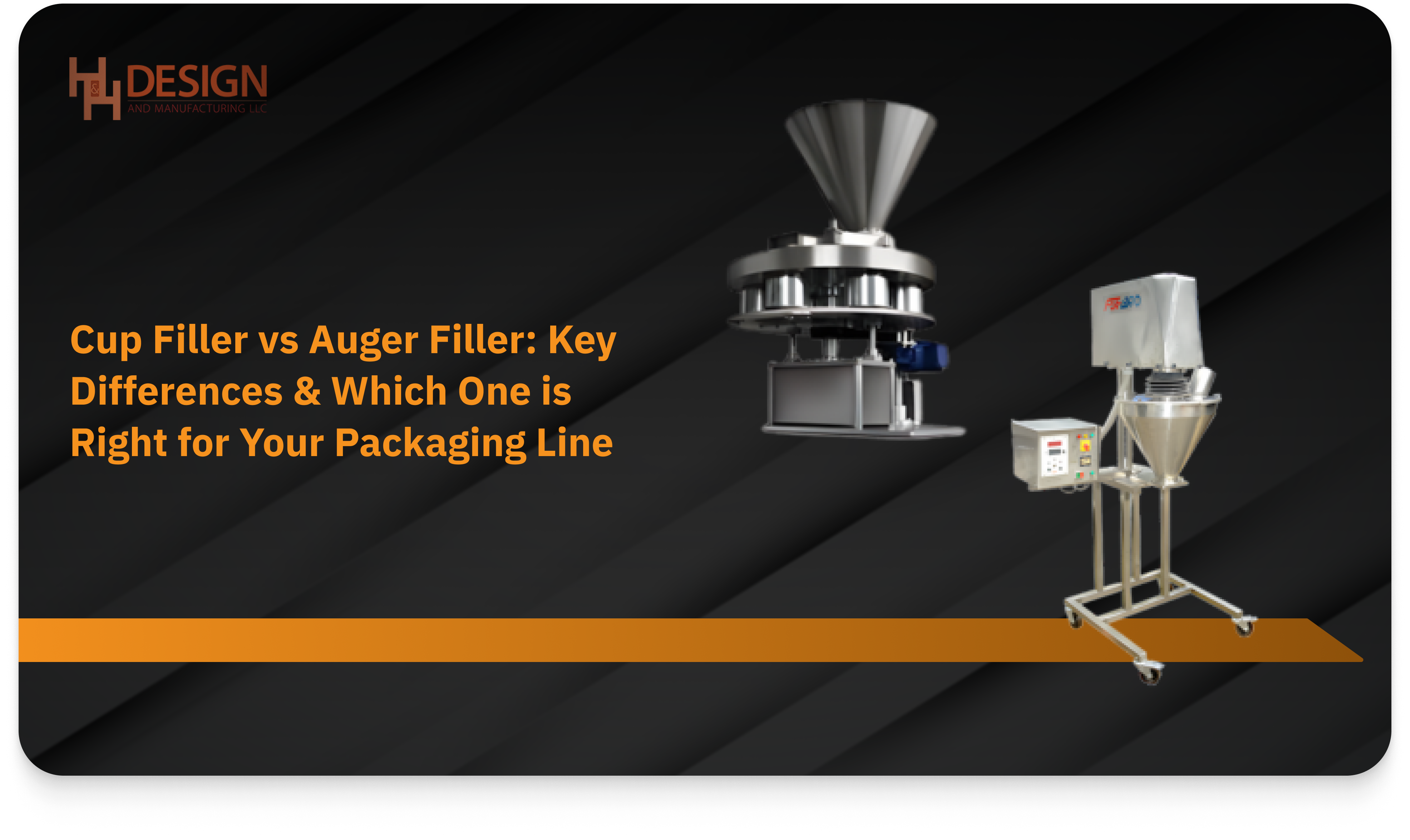
A cup filler, more precisely a volumetric cup filler, is a packaging machine designed to dispense a fixed volume of granular or free‑flowing material into a bag, pouch, or container. Rather than weighing the material, the machine fills a measuring cup (or volumetric chamber) with product, then empties that cup into the target package.
The filling process involves an adjustable cup or volumetric chamber that is filled with material from a hopper. Once the cup is filled, a gate or shutter opens, and the content drops into the bag/container.
For continuous operation, many volumetric cup fillers use rotary or shuttle systems: while one cup is dispensing, another is being refilled.
What is an Auger Filler? And How it Works
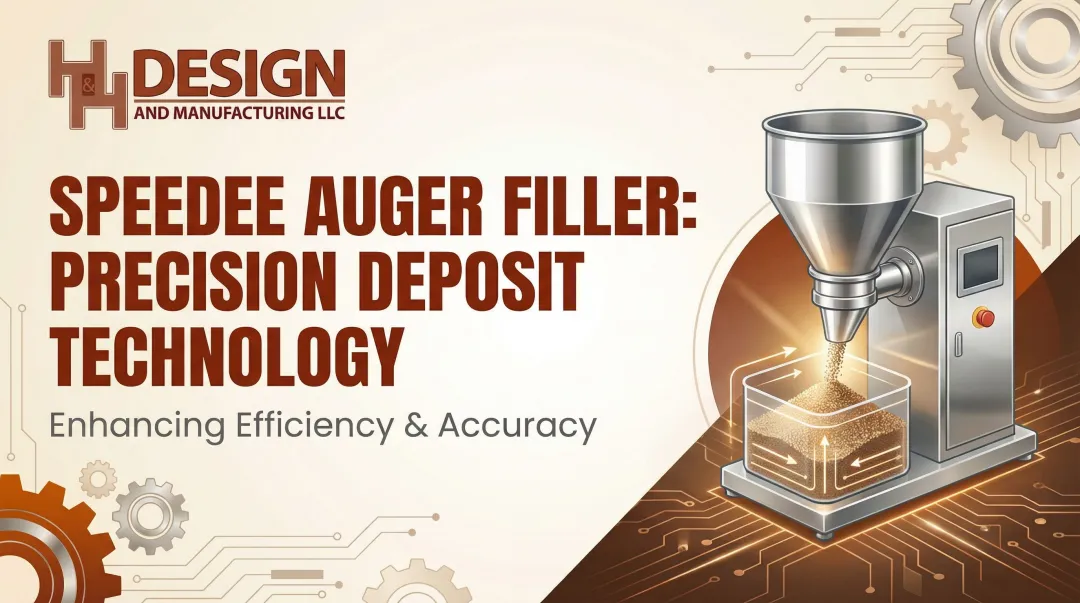
An auger filler is a type of filling machine that uses a rotating screw (the auger) to meter and dispense dry powders or granular materials into containers, such as bags, pouches, jars, or small containers.
Material is fed from a hopper with an agitator to prevent clumping or bridging, down into a narrow cylinder.
A screw inside that cylinder rotates at a controlled speed and moves a defined volume of material downward into the container. The quantity dispensed is set by controlling the auger’s rotation/revolution count (or time), which allows precise volumetric metering.
For powders or materials sensitive to dust or contamination, the filling system is enclosed, reducing dust emissions.
Typical Use Cases of Cup Fillers vs. Auger Fillers
This table provides a clear comparison of when each filler type is most suitable, addressing the filling mechanism and product example. This will further help you determine which filling technology is best suited to your specific needs.
Criteria | Cup Filler | Auger Filler |
Material Type | Free-flowing granules | Fine powders, sticky or non-free-flowing materials |
Product Example | Rice, grains, coffee beans, salt | Flour, powdered sugar, spices, pharmaceuticals, detergents |
Best For | Granules, crystals, seeds, or other bulk materials with uniform flow | Powders, granules with variable density, or cohesive materials that don't flow easily |
Filling Mechanism | Volumetric measurement using cups or chambers | Controlled metering using a rotating screw (auger) |
Cup Filler vs Auger Filler: A Detailed Comparison of Key Differences in Functionality and Application
Choosing the right filling technology is critical for optimizing packaging lines. While cup fillers excel in high-speed, high-throughput applications with free-flowing materials, auger fillers offer superior precision and versatility. Here are the key factors that set these two technologies apart.
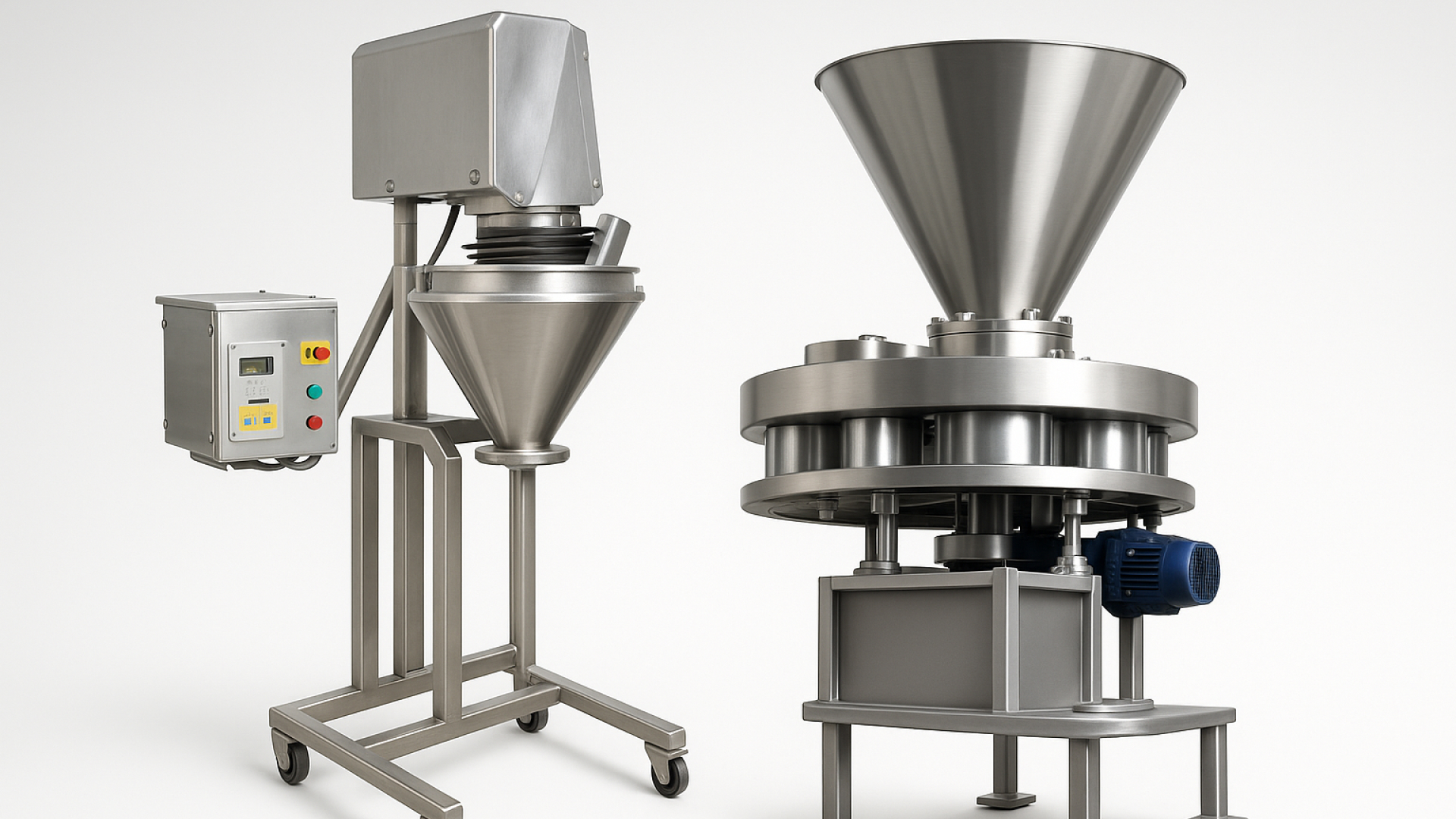
Accuracy Levels: Which Delivers Precision
Cup Filler: Because it dispenses by volume, accuracy depends heavily on the product's bulk density being uniform. If density varies (e.g., powders compact, moisture changes, irregular granules), fill weight can vary.
Auger Filler: Offers greater precision and consistency, especially for powders or fine materials. Since the auger dispenses by controlled metering rather than relying purely on gravity/volume, the variation is less.
Speed and Throughput Capabilities
Cup Filler: Typically faster, capable of high throughput, because its mechanism is simple: fill a cup, drop into a container, repeat. Many cup fillers achieve high cycles per minute under ideal conditions.
Auger Filler: Slightly slower than cup fillers for comparable container sizes/materials, due to the metering and screw motion. However, modern auger systems, with automation, still deliver good throughput while delivering precision.
Versatility and Product Compatibility
Cup Filler: Best suited for free‑flowing granules or solids, e.g., free-flowing grains, pellets, nuts, where product flows easily into and out of the volumetric cup without clumping or bridging.
Auger Filler: Highly versatile, can handle fine powders, free‑flowing granules, or non-free‑flowing/cohesive materials (e.g., flour, spices, chemical powders) because the auger actively moves product rather than relying on gravity. It also works better with dust-prone or hygroscopic materials.
For example, H&H Design & Manufacturing's small-bag fillers are built to cover different material behaviours and production speeds.
The Series 52 range uses auger feeding with electronic weighing to handle powders and granules like flour or chemicals while maintaining consistent fills.
The Series 54 dual-auger open-mouth filler is designed for fine powders that need faster bulk fill with a controlled top-off phase, making it a good fit when you want higher speed without sacrificing accuracy.
The Series 61 vibratory filler uses gentle motion rather than a screw, so it works well for fragile or irregular products like seeds or snacks that can break or segregate with more aggressive filling methods.
Cost Considerations: Initial Investment and Maintenance
Cup Filler: Generally lower-cost to purchase and maintain because of simpler mechanism (volumetric cup, fewer moving parts). Maintenance and cleaning requirements tend to be lighter.
Auger Filler: Typically higher initial investment because of more complex mechanics (auger, motor/servo, hopper, dust‑control features) and may require more maintenance when handling sticky or dusty powders.
Filling Consistency and Waste Management
Cup Filler: Because fill is volume‑based and depends on product flow characteristics, consistency may vary across batches, density variations, or flow irregularities can cause overfills or underfills. This can lead to product giveaway, wastage, or variability in final pack weight.
Auger Filler: With metered dispensing, auger fillers give more consistent fills with less variation, reducing product giveaway and waste. For powders or hygroscopic materials where density can shift, the auger fill is better.
Density Sensitivity and Product Stability
Cup Filler: Highly sensitive to bulk density variation. If the material compacts, absorbs moisture, or has variable particle size, fill weight may drift, which undermines consistency and could disrupt quality standards.
Auger Filler: Less sensitive to density variation because the screw actively meters material. As long as auger settings (speed, dose time) are correctly configured, fill volumes remain consistent despite density fluctuations.
Flexibility in Batch Adjustments and Container Adaptation
Cup Filler: Adjusting fill amount means changing the volumetric cup or chamber, which may involve mechanical adjustments or changing parts. This can limit flexibility when processing multiple SKUs or container sizes.
Auger Filler: Offers greater flexibility; the dose can be adjusted via auger speed, time/count, and with minimal mechanical changes. This makes it easier to handle multiple SKUs, different container sizes, or varying batch weights without extensive retooling.
Looking for a reliable, versatile filling solution for your manufacturing line? Contact H&H Design & Manufacturing today to explore our customizable auger and bulk bag equipment.
Key Pros and Cons of Cup and Auger Fillers: Which One Fits Your Packaging Needs
Choosing between a cup filler and an auger filler depends on your product type and packaging requirements. Cup fillers excel in high-speed, while auger fillers provide superior precision and versatility.
Cup Filler: Pros
Ideal for high-volume packaging of free-flowing granules like rice, coffee, and nuts due to its fixed-volume cup and gravity filling mechanism.
Economical to purchase and maintain, with fewer moving parts compared to screw-based systems.
Simple mechanics make cup fillers easy to operate, clean, and change over, reducing downtime for maintenance.
Cup Filler: Cons
Relies on volume, so variations in material density or granule size can lead to fill weight inconsistency, affecting product quality.
Struggles with powders or non-free-flowing products that tend to clog, bridge, or result in erratic fills.
Adjusting for different product sizes or containers requires physically changing the cup, which can be time-consuming during frequent changeovers.
Auger Filler: Pros
Delivers precise control over fill weight/volume, making it ideal for powders or materials with varying density or flow properties.
Capable of handling both free-flowing granules and challenging powders, including sticky, dusty, or non-free-flowing materials.
Designed with enclosed filling paths, auger fillers reduce dust emissions, making them ideal for clean-room environments.
Easily adjustable screw speed and dosing parameters allow for quick changeovers between products, container sizes, or weights.
Auger Filler: Cons
More complex in design, auger fillers typically come with a higher initial investment and higher maintenance costs.
Sticky, hygroscopic materials that cake or absorb moisture may require frequent cleaning.
Why H&H Design & Manufacturing Is the Smart Choice for Your Filling Needs?
For many processors and plant managers, mismatches between packaging equipment and product characteristics result in inconsistent fills, dust issues, low throughput, or frequent downtime.
H&H Design and Manufacturing solves that by offering a full range of dry-bulk filling and packaging systems, from small‑bag fillers to bulk‑bag lines and conveyors, all engineered to match material type, throughput demands, and facility constraints.
Flexible Solutions for Any Scale: Whether you need a compact small‑bag filler for 5–350 lb bags (like Series 52 Small Bag Fillers) or a heavy‑duty bulk‑bag filler for 100–4,400 lb super sacks (like Series 110DS Bulk Packaging System), H&H covers the full spectrum.
Precision + Reliability with Industry‑Grade Weighing & Controls: Digital weighing systems, variable-speed auger drives, and PLC control provide accurate, repeatable fills even for powders or variable‑flow materials.
Full Line Integration: Fillers, Conveyors & Bulk‑Bag Handling: From small-bag fillers to conveyors and bulk-bag unloaders/fillers, H&H can supply end-to-end packaging lines, minimizing manual intervention and improving safety.
Customizable & Application‑Driven: When standard equipment doesn’t fit, H&H offers custom builds for unique materials or packaging challenges, ideal for operations handling specialty powders, sensitive materials, or mixed workflows.
With H&H’s reliable, tailored equipment solutions, you can achieve the precision, speed, and safety your packaging operations.
Conclusion
Choosing between a cup filler and an auger filler depends on your product type and production goals. Cup fillers excel in high-speed applications with free-flowing materials, while auger fillers provide superior precision and versatility for powders and sticky products. Understanding these differences ensures you make an informed decision to optimize efficiency and reduce downtime.
H&H Design & Manufacturing offers customizable, industrial-grade filling solutions tailored to your needs. As a family-owned company, H&H combines reliable engineering and flexibility to deliver the best results for your packaging line.
Contact us today for expert advice and tailored solutions.
FAQs
What is the Auger Method of Capsule Filling?
The auger method of capsule filling uses a rotating screw to accurately dispense a precise amount of powder or granules into capsules. This method ensures uniformity and consistency, especially with powders that may have varying densities.
Which method is faster, gravimetric or volumetric?
Volumetric filling is generally faster than gravimetric filling because it measures and dispenses based on volume rather than weight, requiring less time for each fill. Volumetric systems are ideal for high-speed, high-throughput applications where fill accuracy can be adjusted for consistency.
What is the difference between AES and XPS?
AES (Auger Electron Spectroscopy) and XPS (X-ray Photoelectron Spectroscopy) both analyze surface chemistry, but AES uses electron excitation to measure emitted electrons, while XPS uses X-rays for excitation. XPS offers a broader energy range and higher sensitivity, making it more suitable for surface composition analysis.
Do Capsule Fillers Require Special Training?
Yes, capsule fillers often require specialized training to ensure proper setup, operation, and maintenance. Operators need to understand machine calibration, material handling, and cleaning procedures to prevent cross-contamination and ensure accurate filling.
What is the Principle of the Sealing Machine?
The principle of a sealing machine involves applying heat, pressure, or ultrasonic waves to the packaging material to create a secure, airtight seal. This process ensures the product stays protected and prevents leakage or contamination during storage and transportation.